
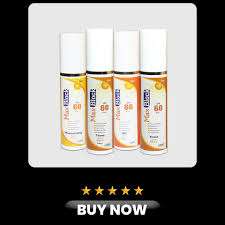
Sun protection is one of the most important aspects of skincare. Every day, our skin is exposed to ultraviolet (UV) rays, which can cause premature aging, dark spots, sunburn, and even skin cancer. Two of the most commonly discussed sun protection products are QHC sunblock and sunscreen. Both serve to protect your skin from the sun, but their mechanisms, textures, and suitability vary. Understanding these differences ensures you choose the right product for your skin type, lifestyle, and sun exposure needs.
In this article, we’ll explain what QHC sunblock and sunscreen are, why they are used, and the key differences between them. We’ll also provide guidance on proper use, benefits, and tips for choosing the best protection for your skin.
1:What Is QHC Sunblock and Why It Is Used
QHC Sunblock is a type of physical or mineral sun protection that blocks UV rays from penetrating the skin. Unlike chemical sunscreens, it does not absorb into the skin. Instead, it forms a protective barrier on the skin surface that reflects or scatters ultraviolet radiation.
Common active ingredients in sunblock include:
- Zinc oxide
- Titanium dioxide
Key Points to Know:These ingredients are effective at blocking both UVA and UVB rays, which makes sunblock a reliable option for sensitive, fair, or dry skin types.
Benefits of QHC Sunblock:
- Provides immediate protection after application.
- Minimizes the risk of irritation for sensitive skin.
- Often recommended for long outdoor exposure, such as beach trips, hiking, or sports.
- Water and sweat-resistant formulations last longer during active outdoor use.
2:What Is Sunscreen and Why It Is Used
Sunscreen, in contrast, is a chemical-based product that absorbs UV rays and converts them into harmless heat. Chemical sunscreens penetrate the skin and prevent damage at a cellular level.
Common chemical filters in sunscreen include:
- Avobenzone (UVA protection)
- Oxybenzone (UVB and UVA protection)
- Octocrylene (UVB protection and stability)
Benefits of Sunscreen:
- Lightweight, easy-to-apply, and often invisible on the skin.
- Ideal for daily use under makeup or clothing.
- Works well for oily and combination skin, as it doesn’t feel thick.
- Broad-spectrum options protect against UVA (aging) and UVB (burning) rays.
Important Note: Sunscreen usually needs 15–20 minutes after application to become fully effective, unlike sunblock which works immediately.
3:Key Differences Between QHC Sunblock and Sunscreen
| Feature | QHC Sunblock | Sunscreen |
| Mechanism | Physically blocks UV rays | Chemically absorbs UV rays |
| Active Ingredients | Zinc oxide, Titanium dioxide | Avobenzone, Oxybenzone, Octocrylene |
| Onset of Action | Works immediately | Takes 15–20 minutes to activate |
| Best For | Sensitive, dry, or fair skin | Oily, combination, or everyday skin |
| Appearance | May leave white cast | Transparent, lightweight |
| Longevity | Longer-lasting in water/sweat | Requires frequent reapplication |
| Texture | Thick, creamier | Light, fluid, or gel |
| Protection Type | Physical barrier against UVA & UVB | Chemical filter neutralizing UVA & UVB |
4:When to Use Sunblock vs Sunscreen
- Use QHC Sunblock:
- During beach trips, swimming, or sports
- For sensitive or dry skin prone to irritation
- For long hours under the sun
- Use Sunscreen:
- For daily commuting or office use
- When applying makeup or light skin coverage
- For short outdoor exposure or cloudy days
You Should Know:Some people even use both products—a sunscreen for daily wear and a sunblock for extended outdoor activities.
5:Tips For Using Sunblock and Sunscreen Effectively
- Apply Generously: Most people use too little. For the face, use about a teaspoon amount.
- Reapply Often: Reapply every 2–3 hours, especially after swimming, sweating, or towel-drying.
- Cover All Areas: Don’t forget ears, neck, hands, and lips.
- Use Broad-Spectrum Products: Ensure protection against both UVA and UVB rays.
- Complement With Protective Clothing: Hats, sunglasses, and long sleeves provide extra safety.
6:Special Considerations For Different Skin Types
Dry Skin:
- Prefer QHC Sunblock or hydrating formulations.
- Look for added moisturizers and glycerin to prevent flakiness.
Oily Skin:
- Lightweight chemical sunscreens absorb quickly.
- Gel-based or matte-finish sunscreens reduce shine.
Combination Skin:
- A balanced option works best: hydrating sunblock for dry areas, light sunscreen for oily zones.
Sensitive Skin:
- Always patch tests first.
- Mineral-based QHC sunblock is usually less irritating than chemical sunscreen.
7:Separating Fact from Fiction in Sun Safety
- “I don’t need protection indoors.”
- UVA rays can penetrate windows, so daily protection is still recommended.
- UVA rays can penetrate windows, so daily protection is still recommended.
- “Darker skin doesn’t need sun protection.”
- All skin tones are vulnerable to sun damage, pigmentation, and premature aging.
- All skin tones are vulnerable to sun damage, pigmentation, and premature aging.
- “One application is enough for the day.”
- Reapplication is essential for prolonged protection.
- Reapplication is essential for prolonged protection.
- “Sunscreen prevents tanning completely.”
- Sunscreen reduces UV damage but doesn’t block vitamin D or minor tanning entirely.
8:How to Choose the Right Sun Protection Product in 2026
In 2026, sun protection products will be more advanced than ever. Look for:
- SPF 30–50 for everyday use
- Water-resistant formulas for outdoor activities
- Products free from harmful chemicals (parabens, sulfates)
- Broad-spectrum protection for UVA and UVB
- Lightweight and non-comedogenic options for oily or acne-prone skin
Using the right product consistently ensures healthy, glowing, and protected skin.
Wrapping Up
Both QHC sunblock and sunscreen are essential for protecting your skin from harmful UV rays. Sunblock physically blocks the rays, making it perfect for sensitive, dry, or long-term outdoor exposure, while sunscreen absorbs UV radiation and suits daily, short-term use. Choosing the right product and using it properly prevents sunburn, premature aging, and long-term skin damage. Understanding these differences ensures your skin stays healthy, radiant, and protected.
Important Frequently Asked Questions (FAQs)
1. Can I use sunblock and sunscreen together?
Yes. Sunblock for long outdoor exposure, sunscreen for daily use.
2. Does sunblock leave a white cast?
Some mineral sunblocks may leave a slight tint, but modern formulas are transparent.
3. How often should I reapply sunscreen or sunblock?
Reapply every 2–3 hours and especially if swimming or sweating.
4. Which is better for oily skin?
Lightweight chemical sunscreens are better for oily or combination skin.
5. Can sunblock or sunscreen prevent dark spots and pigmentation?
Yes. consistent use protects skin from UV-induced pigmentation and helps maintain even skin tone.