
Fat Transfer or Fat Grafting Treatment
What Is Fat Transfer (Fat Grafting)? — How It Works
Bodies change. That’s just life. Some areas lose volume. Others hold onto more than we’d like. And sometimes the whole shape just feels out of balance. Fat transfer helps fix that, using nothing but what your body already has.
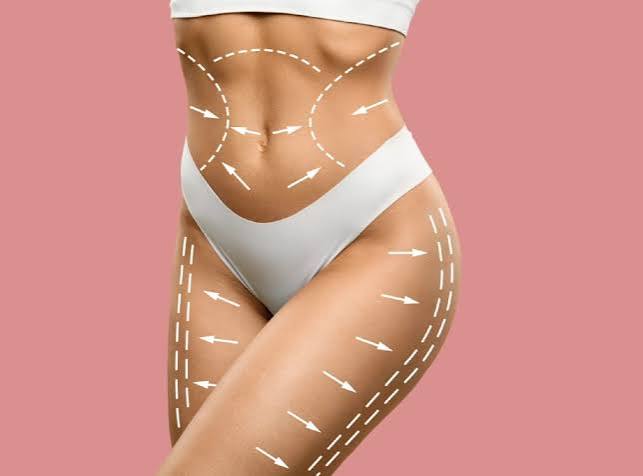
Here is the simple version. Doctors take fat from a spot where you have extra, usually the belly, thighs or flanks. Then they clean it and place it into an area that needs more shape, like the hips or buttocks. No implants. No foreign material. Just your own fat, given a new home. That’s why it’s called autologous fat transfer. Autologous just means “from you.”
And here is the part people love most. This fat can last for years. Sometimes for life. No repeat visits every few months just to keep the results.
So how does the body actually accept this fat? And what really happens on the day of the procedure? Let’s break it down.
Fat Transfer vs. Dermal Fillers: Which Is Right for You?
Dermal Fillers | Fat Transfer | |
Speed | Fast, done in one visit | Takes more time and planning |
Recovery | Almost none | Short recovery window |
How it works | Injected material added to the skin | Your own fat, placed back into the body |
Longevity | Breaks down over time | Becomes part of your tissue |
Maintenance | Touch-ups every 6 to 18 months | No repeat visits needed once settled |
Best for | A quick fix before an event | A real, long-term transformation |
Areas Treated: Face, Breast, Buttocks (BBL), Hands
Fat grafting is not limited to one part of the body. Surgeons now use it almost everywhere volume is needed.
- Face — cheeks, under eyes, temples, and jawline for a softer, younger look
- Breast — a natural alternative to implants using your own fat
- Buttocks — widely known as the Brazilian Butt Lift or BBL, shaping curves without artificial implants
- Hands — restoring lost volume that often reveals age faster than the face
Each area has its own technique and healing pattern, but the underlying idea stays the same. Take what your body has plenty of, and place it where it is missing.
The Fat Grafting Procedure Step-by-Step
It’s a lot simpler than most people imagine.
Step 1: Taking the fat out
The surgeon gently removes fat from an area with a little extra, usually the belly, thighs, or flanks. This is done with thin tubes, so it’s a lot less invasive than it sounds.
Step 2: Cleaning it up
The fat doesn’t go straight back in. It’s first separated from blood and fluids, so only the good, healthy fat cells are left behind.
Step 3: Placing it back
Now comes the careful part. The surgeon injects this fat back into the treatment area, but not all at once. It goes in slowly, in small amounts, layer by layer. This matters more than people realize. Each little layer gets its own blood supply, which is what helps the fat actually survive long term instead of just fading away.
Start to finish, the whole thing usually takes one to three hours. It just depends on how many areas you’re treating.
Benefits You Can Expect
This treatment gives your body a fuller, more natural shape. Fat transfer can also restore volume in areas that look sunken or uneven over time. Many patients say they feel more confident once they’ve healed. Results often last for years, sometimes for good. Your body can look smoother and more balanced, without looking artificial.
Why Choose Institute Cosmetique
Your safety comes before anything else here. We work with modern equipment inside clean, private treatment rooms. Our team stays by your side at every stage, from the first consultation to full recovery. Every question you have, before or after the procedure, gets a clear answer. Pricing stays honest and upfront, with nothing hidden in the fine print. That’s why patients across Lahore keep choosing us for their eye and face treatments.
How Long Do Fat Transfer Results Last?
This is where fat grafting truly shines. Once the transferred fat survives the initial weeks, it often lasts for years, and in many cases, permanently. Your body treats it like any other fat tissue, meaning it can slightly fluctuate with your weight but does not disappear like injectable fillers do.
Risks, Fat Reabsorption Rate & Candidacy
Like any procedure, fat transfer carries some reabsorption. On average, patients lose twenty to forty percent of transferred fat within the first few months. This is normal and surgeons account for it by transferring slightly more volume than the final goal requires.
Ideal candidates are healthy adults with enough donor fat, realistic expectations, and no active skin infections. A proper consultation determines true candidacy.
Cost Factors & What Affects Pricing
Pricing depends on the treatment area, the amount of fat needed, surgeon expertise, and clinic location. Facial fat transfer often costs less than full body contouring procedures like a BBL, simply because of the volume and time involved.
Your eyes say a lot about you. Tired eyes can make you feel less confident. Institute Cosmetique in Lahore is here to help you look and feel your best. Book a free consultation now. Talk to our expert team. Take the first step toward brighter eyes and a fresh new look.
Common Concerns
Is fat transfer painful?
Mild discomfort is normal, well managed with prescribed pain relief.
Can fat transfer be repeated?
Yes, additional sessions can enhance results if needed.
Is downtime long?
Most patients resume normal life within a week, with full settling by three months.
Book An Appointment Now
Other Services
- Gastric Ballooning/Banding
- Chemicals Peel
- Liposuction
- CoolSculpting
- Psoriasis Treatment
- Dermal Fillers
- Laser Hair Removal
- Microdermabarison
- Botox Injections
- Laser Resurfacing
- Autologous Wrinkle Fillers/ Fat Grafting
- Blepharoplasty