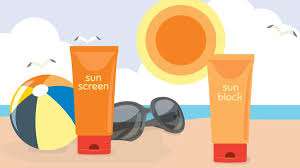
Protecting your skin from the sun is one of the most important aspects of daily skincare. Overexposure to ultraviolet (UV) rays can cause premature aging, sunburns, pigmentation, and even skin cancer. In 2026, people are increasingly aware of sun protection, yet many still wonder: Which is better, sunscreen or sunblock? Understanding their differences, benefits, and limitations is essential for making the right choice.
1:What Sunscreen and Sunblock Are?
Sunscreen and sunblock are both products designed to shield your skin from harmful UV radiation. However, they differ in their composition and method of protection:
- Sunscreen: Sunscreen contains chemical compounds such as avobenzone, oxybenzone, and octinoxate. These ingredients absorb UV rays, convert them into heat, and release them from the skin. Sunscreens often feel lightweight and invisible when applied, making them suitable for daily use under makeup.
- Sunblock: Sunblock, on the other hand, contains physical blockers like zinc oxide or titanium dioxide. Instead of absorbing UV rays, sunblock reflects and scatters them, forming a protective barrier on the skin. This makes sunblock highly effective against both UVA and UVB rays but sometimes slightly thicker or visible on the skin.
You Should Know:Both products are designed to prevent skin damage but the choice depends on your skin type, lifestyle, and personal preference.
2:How Sunscreen Works?
Sunscreens are designed to penetrate the top layers of your skin and interact with UV rays. When UV rays hit the skin, chemical compounds in the sunscreen absorb the energy and transform it into heat, preventing the rays from penetrating deeper.
Advantages of sunscreen include:
- Lightweight texture suitable for daily use
- Easily absorbed, leaving minimal residue
- Can be combined with other skincare products, such as moisturizers and serums
You Should Know:However sunscreens need to be applied consistently and reapplied every 2–3 hours when outdoors. Failure to do so can reduce their effectiveness significantly.
3:How Sunblock Works?
Sunblock provides immediate protection because its physical ingredients form a shield on the skin’s surface. Zinc oxide and titanium dioxide are broad spectrum blockers, meaning they protect against both UVA and UVB rays.
Advantages of sunblock include:
- Instant protection upon application
- Long-lasting effectiveness, especially outdoors
- Gentle on sensitive skin since it is less likely to cause chemical irritation
Key Points to Know:Sunblocks are often preferred by people with fair or sensitive skin, or those exposed to intense sunlight for extended periods.
4:Sunscreen vs Sunblock: Key Differences
Understanding the differences between these two products helps you choose the right option:
- Mode of Action: Sunscreen absorbs UV rays, while sunblock reflects them.
- Texture: Sunscreens are lighter and invisible; sunblocks may leave a white or tinted layer.
- Onset of Protection: Sunblock works immediately, whereas sunscreen needs 15–20 minutes to activate.
- Skin Sensitivity: Sunblocks are less likely to irritate sensitive or acne-prone skin.
- Cosmetic Appearance: Sunscreens blend easily making them ideal under makeup or for daily use.
Important Things to Know:Both products can provide excellent sun protection when used correctly, but personal preference and lifestyle play a major role in selection.
5:Choosing the Right Sun Protection for Pakistani Skin
In Pakistan, where sunlight intensity is high year-round, sun protection is critical. Dermatologists recommend broad spectrum protection against both UVA and UVB rays.
- People with oily skin may prefer chemical sunscreens as they are lighter and absorb quickly.
- Individuals with dry or sensitive skin often benefit from physical sunblocks that double as a barrier and moisturizer.
- Outdoor workers or those spending extended hours in the sun should use sunblocks for long-lasting protection.
You Should Know:Modern products are formulated to address specific regional skin concerns, including pollution-induced oxidative stress and pigmentation.
6:The Importance of SPF and Broad Spectrum Protection
Sun Protection Factor (SPF) indicates how long your skin can be exposed to the sun without burning. For daily use, SPF 30 is generally sufficient, while SPF 50+ is recommended for prolonged outdoor activities.
Broad-spectrum protection ensures coverage against both UVA and UVB rays:
- UVA rays penetrate deep into the skin, causing aging and long-term damage.
- UVB rays are responsible for sunburns and surface-level damage.
Important Things to Know:Both sunscreens and sunblocks are now formulated with broad-spectrum protection, making either suitable when chosen wisely.
7:Modern Advancements in Sun Protection
In 2026, sun protection technology has advanced significantly:
- Chemical sunscreens now include stabilized ingredients that prevent rapid degradation in sunlight.
- Sunblocks are formulated to be lightweight, tinted, or even invisible on darker skin tones.
- Many products combine moisturizing, anti-aging, and antioxidant benefits for multi-functional skincare.
Things You Need to Know:Among these advancements, QHC best sunblock in Pakistan has gained popularity for blending high SPF protection with skin-friendly, non-greasy formulations, making it suitable for everyday use.
8:Sun Protection Tips for Maximum Effectiveness
Regardless of whether you choose sunscreen or sunblock, proper application is key:
- Apply 20–30 minutes before sun exposure.
- Use a generous amount; most adults need about one teaspoon for the face and neck alone.
- Reapply every 2–3 hours, or after swimming or sweating.
- Pair with hats, sunglasses, and protective clothing for added safety.
- Follow a daily skincare routine with cleansing and moisturizing to maintain skin health.
These practices maximize the benefits of any sun protection product.
9:Separating Fact from Fiction in Sun Protection
Many misconceptions still exist regarding sun protection:
- Myth 1: Dark-skinned people do not need sun protection.
- Myth 2: Sunblocks are too heavy for daily use.
- Myth 3: Sunscreens provide instant protection.
Educating yourself about these products ensures safer and more effective use.
10:Why Both Sunscreen and Sunblock Are Valuable
While some argue that one is better than the other, both have unique advantages:
- Sunscreens are ideal for daily, cosmetic-friendly use.
- Sunblocks offer long-lasting, sensitive-skin-friendly protection.
What You Should Know:In 2026 many users combine both approaches: a chemical sunscreen during the day and a physical sunblock during extended outdoor activities. This strategy ensures optimal protection without compromising skin comfort.
11:QHC Best Sunblock in Pakistan
Among modern options, QHC best sunblock in Pakistan stands out for its balance of high SPF, skin tolerance, and lightweight feel. It has become a trusted choice among consumers who want reliable sun protection without irritation or greasiness. Its formula addresses both UVA and UVB rays while supporting overall skin health, making it a top recommendation for Pakistani skin types.
Wrap Up
In 2026 the question of sunscreen vs sunblock depends on individual needs rather than a single “better” option. Sunscreens provide lightweight and cosmetic friendly protection, while sunblocks offer immediate and long lasting defense, particularly for sensitive or outdoor exposed skin.
Choosing the right product and understanding SPF, applying properly, and complementing with lifestyle measures ensures maximum sun protection. For many, QHC best sunblock in Pakistan represents a reliable, science-backed choice that blends efficacy with comfort.
Top Questions About Choosing the Right Sun Protection
1. Can I use sunscreen and sunblock together?
Yes. applying sunscreen in the morning and sunblock for outdoor activities can provide layered protection.
2. How often should I reapply sun protection?
Reapply every 2–3 hours, or immediately after swimming or excessive sweating.
3. Is sunblock better for sensitive skin than sunscreen?
Generally yes. Sunblocks with zinc oxide or titanium dioxide are less likely to cause irritation.
4. Can I use sun protection under makeup?
Absolutely. Lightweight sunscreens are designed for daily use under makeup without affecting texture.
5. Does SPF 50 provide twice the protection of SPF 25?
No. SPF 50 blocks about 98% of UVB rays, while SPF 25 blocks about 96%. Protection increases only slightly with higher SPF, but reapplication is more critical.